Exploring Santa Teresa beaches by ATV safely
A guide to exploring Santa Teresa beaches by ATV: safe routes, road conditions, access rules, and gear from Playa Carmen to Manzanillo.
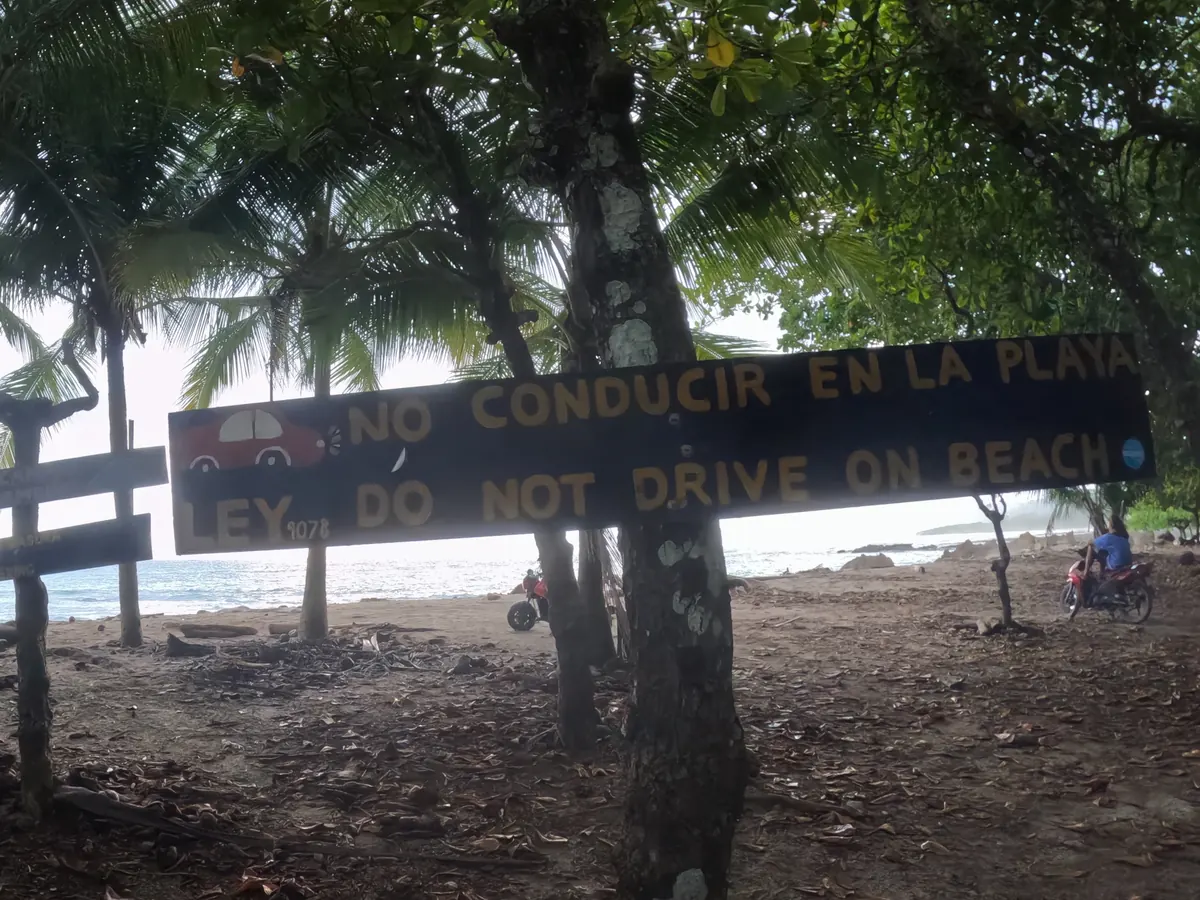
Beach days here usually mean moving between a surf break, a café, your accommodation, and a quieter stretch of coast someone mentioned the night before. Exploring Santa Teresa beaches by ATV gives you that flexibility, but it works best when you know which roads actually get you there, where legal access ends, and when to just turn around.
This guide covers the routes linking Playa Carmen, Santa Teresa, Playa Hermosa, Manzanillo, Mal País, Mar Azul, and the viewpoints in between.
Why an ATV changes how you explore Santa Teresa
Santa Teresa runs along a long coastal strip rather than around one compact center. The main coastal road is paved in a lot of stretches now, but an unpaved road, a hillside villa entrance, or a side route can still have gravel, mud, potholes, and steep sections.
A self-drive ATV rental makes these connections easier, especially on a day when you want to check two or three surf breaks before picking one. Treat the quad as transportation, though, not as permission to ride onto every shoreline, private track, or undeveloped trail.
Know the difference between coastal access and beach riding
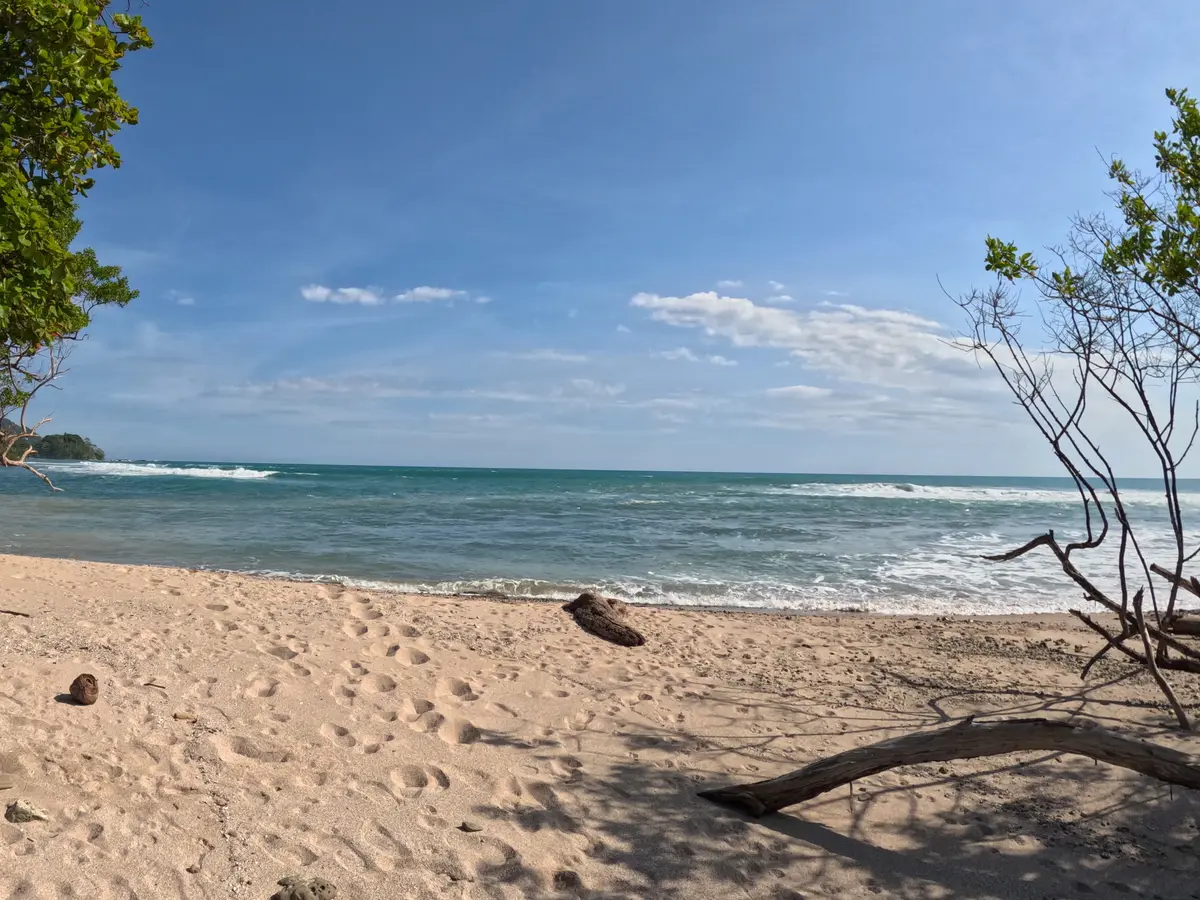
Reaching a beach by ATV is different from riding on the sand itself. Use the legal access roads and the designated parking areas, then walk the rest of the way to the shoreline.
Road conditions, tides, wildlife nesting areas, and landowner rules can change. Confirm current access locally before you leave, and respect barriers or signs even if a map shows a route continuing further.
Choose the right beach route for your experience
Start with flatter, familiar routes before you consider remote roads or steep climbs. Plan around weather, fuel, daylight, and the confidence of the least experienced rider in your group.
My fleet is fully automatic, Can-Am, Honda, and Kymco models, so there are no gears to manage. Automatic operation and four-wheel drive still need smooth throttle input, controlled braking, and careful steering on anything loose or wet.
Rates drop the longer you rent: $65 a day for under three days, $60 a day for three to seven days, $55 a day for more than a week, and $50 a day for two weeks or longer. Confirm the final rate, fuel policy, permitted areas, and deposit before you take the quad, and see my comparison of ATV rentals in Santa Teresa if you want to check how providers differ on that.
Playa Carmen to Santa Teresa
This is the lower-commitment route, good for groceries, meals, surf checks, and short beach stops. Watch for pedestrians, bicycles, other traffic, loose gravel, and the speed bumps that show up often along here.
Use the established beach access points and park fully off the travel lane where it is allowed. Never block a driveway, business entrance, or emergency route.
Playa Hermosa and Manzanillo
The route north is mostly flat and manageable for careful beginners. Services get less frequent past central Santa Teresa, so carry water, charge your phone, and check your fuel before continuing toward Manzanillo.
Rain can turn a shallow dip into a puddle fast and soften the road edges. Approach every wet section slowly rather than assuming it rides the same as it did yesterday.
Mal País and Mar Azul
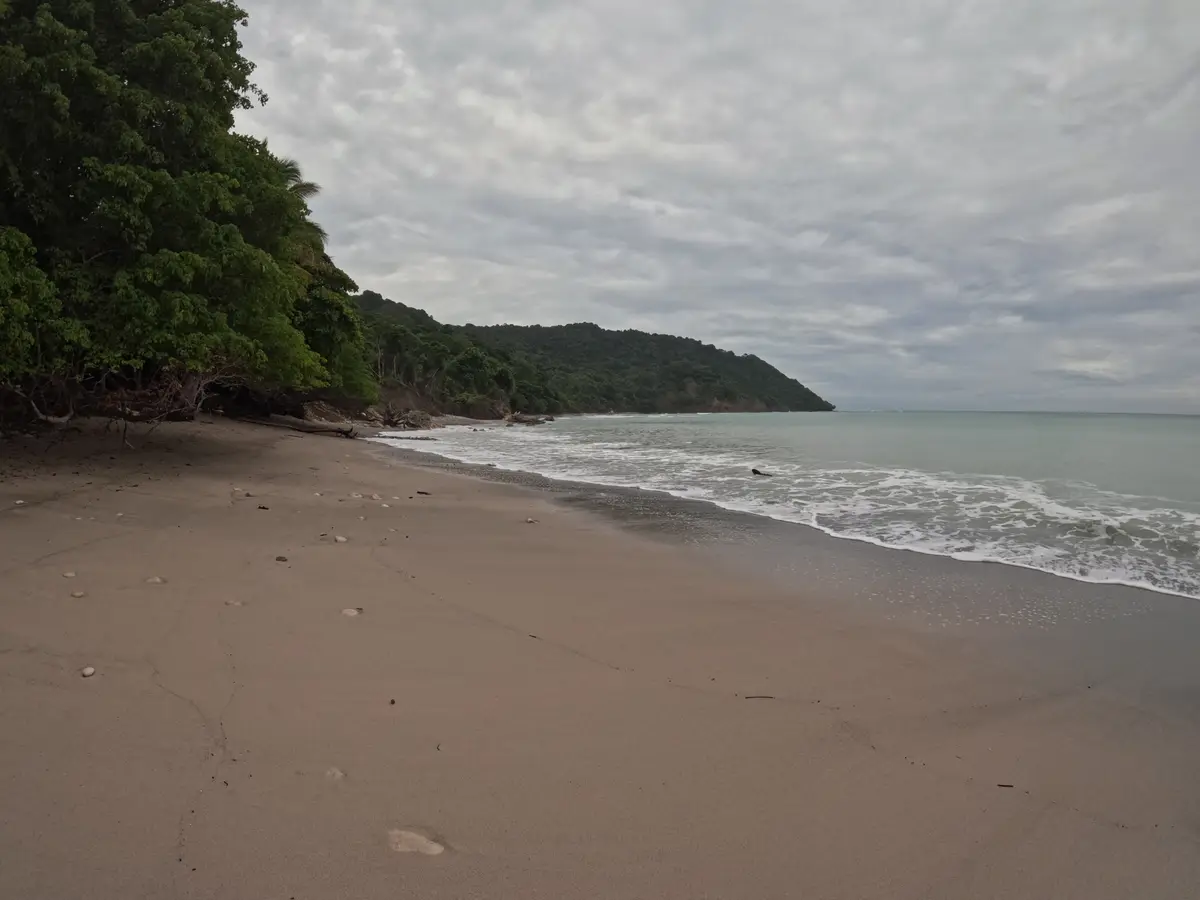
Treat the coast south as a relaxed sightseeing route with time for beach stops and uneven surfaces. The shortest line on a map can lead toward a difficult hill, so route quality matters more than distance here.
Turn around when you hit deep flooding, heavy ruts, or visibility bad enough that the road feels uncertain. Pushing through a hard section creates more risk than just changing the day’s plan.
Plan a beach day by ATV, step by step
Start by checking the forecast and picking two or three realistic stops. Inspect the quad, pack what you need, leave early enough to ride entirely in daylight, and refuel before heading back.
A local route briefing and a walkthrough of the controls before you set off helps a lot if it’s your first time on one. A quick check of the brakes, tires, lights, fuel level, throttle, and steering can catch a problem before it becomes one on the road.
Don’t try to hit every stop on the coast in one day. Fewer stops leave room for changing weather, a proper lunch, a swim, and the odd delay.
At each beach stop
Park on firm ground, away from traffic lanes, private entrances, and emergency access points. Secure your helmet, bag, and electronics instead of leaving them exposed on the ATV.
Follow any signed restrictions and use the established foot path to reach the sand. Give wildlife, residents, and other beach users enough room.
Read Santa Teresa’s road and weather conditions
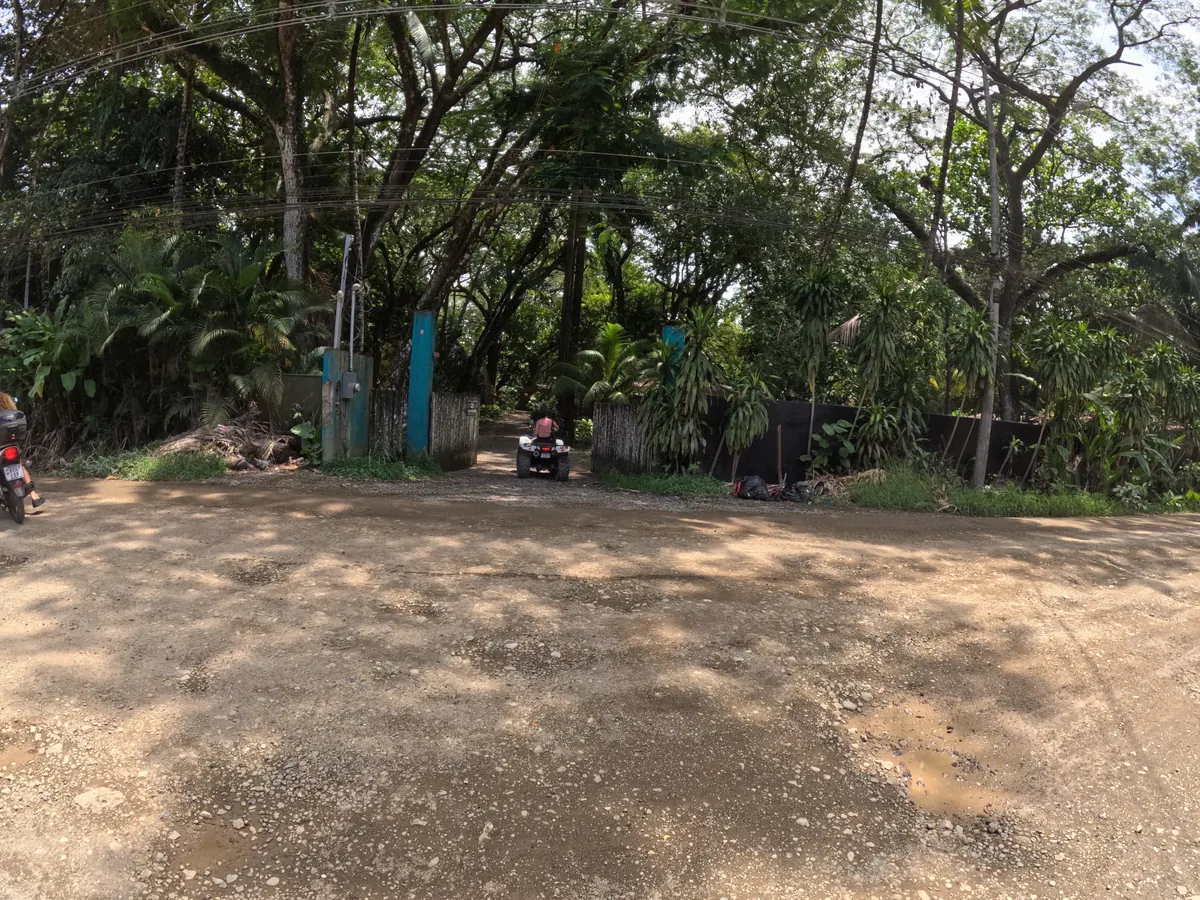
Dry season riding means dust, corrugation, loose gravel, and worse visibility behind other vehicles. Green season brings mud, standing water, slippery clay, deeper ruts, and drainage points that change fast.
The paved town corridor is easier than the remote roads and villa driveways with steep climbs. A route that starts on smooth pavement can get a lot harder after one turn inland.
Avoid riding after dark. Potholes, animals, pedestrians, unlit road edges, and sudden changes in the surface are much harder to see once the sun is down.
How to handle dust, ruts, and water
Slow down before corrugation or ruts rather than braking hard while you’re crossing them. Keep both hands on the bars, look toward where you want to go, and leave extra following distance in dust.
Don’t enter standing water unless you can clearly see the depth, the base, and the exit. Rain can deepen a crossing fast and hide holes, loose stones, or a damaged surface underneath.
Follow the rules for safe, responsible ATV travel
The driver needs to be at least 18, carry a valid driver’s licence, and follow Costa Rican traffic law. The Costa Rican Road Safety Council publishes the official national guidance if you want to check the details.
Every rider wears a helmet, and passenger seating has to match what the ATV is actually approved for. Alcohol, drugs, speeding, and using your phone while riding can turn an easy coastal trip into a serious incident fast.
I include a helmet for every rider and basic liability insurance with every rental, and hand the quad over with a full tank, expecting it back the same way since fuel isn’t included in the rate. Still confirm the current insurance terms, deductible, damage exclusions, and deposit with whoever you rent from, along with where you’re actually allowed to ride.
Passengers and cargo
Only carry a passenger when the quad is designed and approved for two riders. Both of you need helmets, and the passenger should use the seat and handholds made for that.
Keep cargo low, balanced, secured, and within what the vehicle is rated for. Don’t put extra riders on cargo racks or any improvised seat: the added weight changes how the quad steers and brakes.
Common mistakes to avoid on an ATV beach route
Don’t assume every shoreline, trail, or sandy track is open to motorized vehicles. Legal access and safe terrain both need to be confirmed.
Don’t pick a steep hill road just because it looks shorter on a map. And don’t put off fuel planning: the gas station outside Santa Teresa toward Cóbano is roughly a 10 to 15 minute ride from town.
Rain, heat, dust, and passenger weight can tire out an inexperienced rider sooner than you’d expect. Build in breaks and shorten the route once concentration starts slipping.
When to change the plan
Turn around when rain cuts visibility, water gets too deep to judge, or the terrain is beyond what you’re comfortable with. For longer trips toward Montezuma and its waterfall or the Cabo Blanco Absolute Natural Reserve, take the easier paved route through Cóbano instead of the difficult hill roads.
I keep my ATVs serviced between rentals and offer roadside help and a replacement if something mechanical goes wrong that can’t be fixed on-site. If that happens, stop somewhere safe and follow the provider’s process instead of trying to fix it yourself on the roadside.
Build a sensible Santa Teresa beach itinerary
An easy day can start at Playa Carmen, continue into Santa Teresa for lunch and supplies, and finish with an afternoon stop at Playa Hermosa. That keeps the riding distances manageable and leaves room to reassess the weather and traffic along the way.
For something quieter, ride from Santa Teresa toward Manzanillo and check your fuel and daylight before heading back. If Mal País and Mar Azul interest you, make that coast its own half-day trip with slower riding and more stops. For more on how the roads connect across town, see my guide to getting around Santa Teresa.
Free delivery and pickup at the main Santa Teresa-area spots can simplify the start and end of a multi-day rental. Whatever the delivery arrangement, inspect the vehicle and go over the controls before your first trip.
Match the route to the rider
First-time riders should stick to flatter, familiar roads and skip the hillside routes after rain. Experienced riders can consider the longer paved runs through Cóbano, but should still stay within permitted areas and get back before dark.
Conclusion
The best ATV beach day in Santa Teresa isn’t the one that covers the most ground. It’s the one built around legal access, terrain that matches your experience, daylight, and enough time to actually enjoy where you stop. Get those right and you can cover Playa Carmen, Santa Teresa, Playa Hermosa, and Manzanillo in one trip without rushing it.
If you want a 4x4 quad with a full tank and a proper walkthrough before you head out, message me with your dates and I’ll bring one to your door.
Frequently asked questions
Do you need a licence to rent an ATV in Santa Teresa?
Yes. The driver should be at least 18 and carry a valid physical driver’s licence, although identification requirements should be confirmed with the rental provider before booking.
Can you ride an ATV on Santa Teresa beaches?
Do not assume beach riding is allowed. Use legal road access and parking areas, then enter the beach on foot while observing local restrictions, tides, and wildlife protection measures.
Is it safe to ride an ATV in Santa Teresa?
It can be safe when riders wear helmets, travel during daylight, control their speed, and select terrain appropriate for their experience. Avoid alcohol, flooding, steep unfamiliar tracks, and riding when dust or rain severely limits visibility.
What is the best ATV route for first-time riders in Santa Teresa?
Start with the flatter corridor connecting Playa Carmen, Santa Teresa, Playa Hermosa, and Manzanillo. Avoid steep hillside roads and remote muddy sections, particularly after heavy rain.
Can two people ride on one ATV in Santa Teresa?
Only when the ATV is designed and approved for a passenger. Both riders need helmets, and luggage must remain secured within the quad’s passenger and cargo limits.
Ready to rent an ATV in Santa Teresa?
Send your dates and we will confirm availability within minutes.
Check availability on WhatsApp