ATV vs. Rental Car in Santa Teresa: How to Choose
Compare ATVs and rental cars in Santa Teresa: road conditions, rain, luggage, safety, and trip plans to choose practical local transport with confidence.
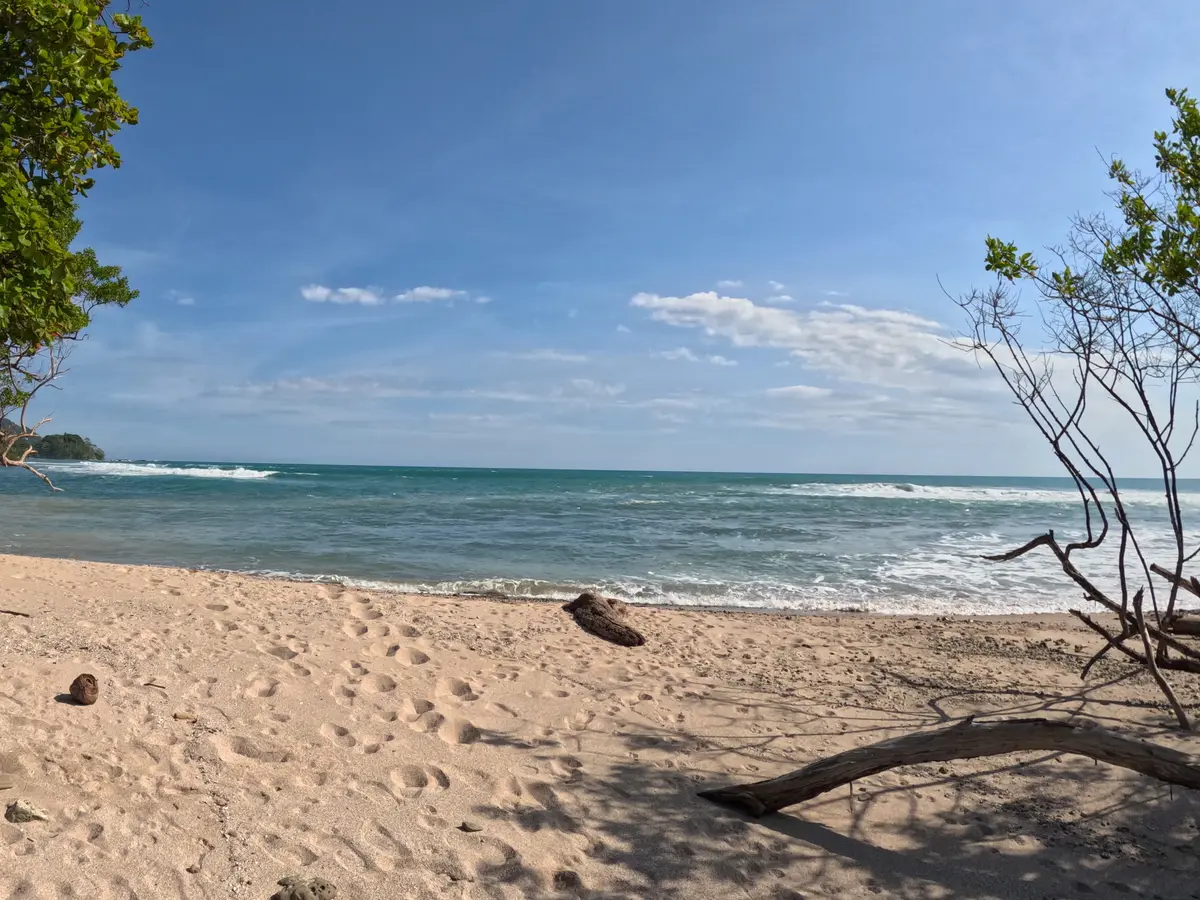
Your accommodation might look close to the beach on the map, but rough roads, hills, and scattered services make transport something you’ll think about every day here. Comparing an ATV vs. rental car in Santa Teresa means looking past the price tag to terrain, passengers, luggage, weather, and distance.
Here’s when each vehicle works well, what the local roads demand, and the costs and safety requirements that should shape your decision.
Start With How You Will Use Transport
Santa Teresa stretches along a paved coastal road, with accommodation, beaches, restaurants, and shops spread out across a long coastal corridor. The right vehicle for you depends on where you’re staying, how many people you’re traveling with, what you need to carry, and whether you’re planning regional day trips.
A quad is exposed, and that’s exactly what makes it good for frequent short trips around town. A rental car gives you enclosed seating and more capacity, but it can be awkward on narrow access roads and rough tracks.
Choose an ATV for flexible beach-hopping and regular local outings with light gear. Choose a car for airport transfers, family travel, heavier luggage, or longer trips outside the area.
When an ATV Usually Makes Sense
An ATV generally suits one or two licensed riders staying around Santa Teresa, Mal País, Playa Carmen, or Playa Hermosa. Its compact size makes it easy to park and position for repeated surf checks, restaurant visits, and errands.
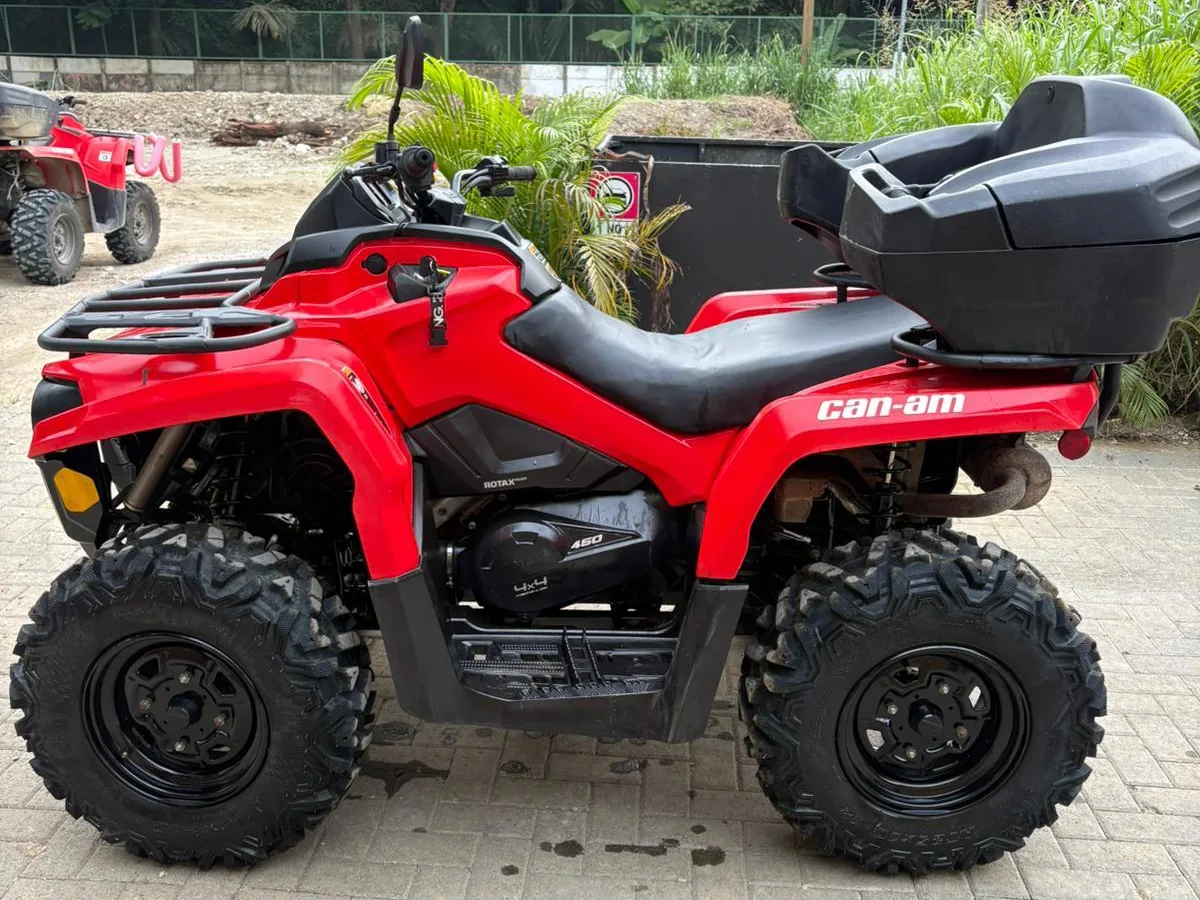
A fully automatic ATV needs no manual gear changes, so anyone can hop on and go. The fully automatic fleet available locally, with Can-Am, Honda, and Kymco models, typically adds 4x4 traction, passenger seating, and secure storage for everyday coast-road travel.
When a Rental Car Usually Makes Sense
A rental car makes more sense if you’re carrying multiple suitcases, groceries, child equipment, surfboards, or traveling in a group larger than two. It also shields you from the heat, dust, and green season rain.
Consider a car if your plans include Tambor Airport, longer highway stretches, or destinations well beyond Santa Teresa. Just confirm its clearance and drivetrain can handle the road leading to your accommodation.
Compare Santa Teresa Road Conditions
The main road through Santa Teresa is paved and runs parallel to several kilometres of open beach, though it turns partially unpaved on the stretch toward Montezuma. Corrugation and dust are part of daily life on the unpaved sections during the dry months, and in the green season you’ll find mud, ruts, soft edges, and pooled water instead.
Steep driveways leading to hillside villas can actually be harder than the coast road itself. Ask about that final approach to your accommodation, don’t judge the whole trip by the main route alone.
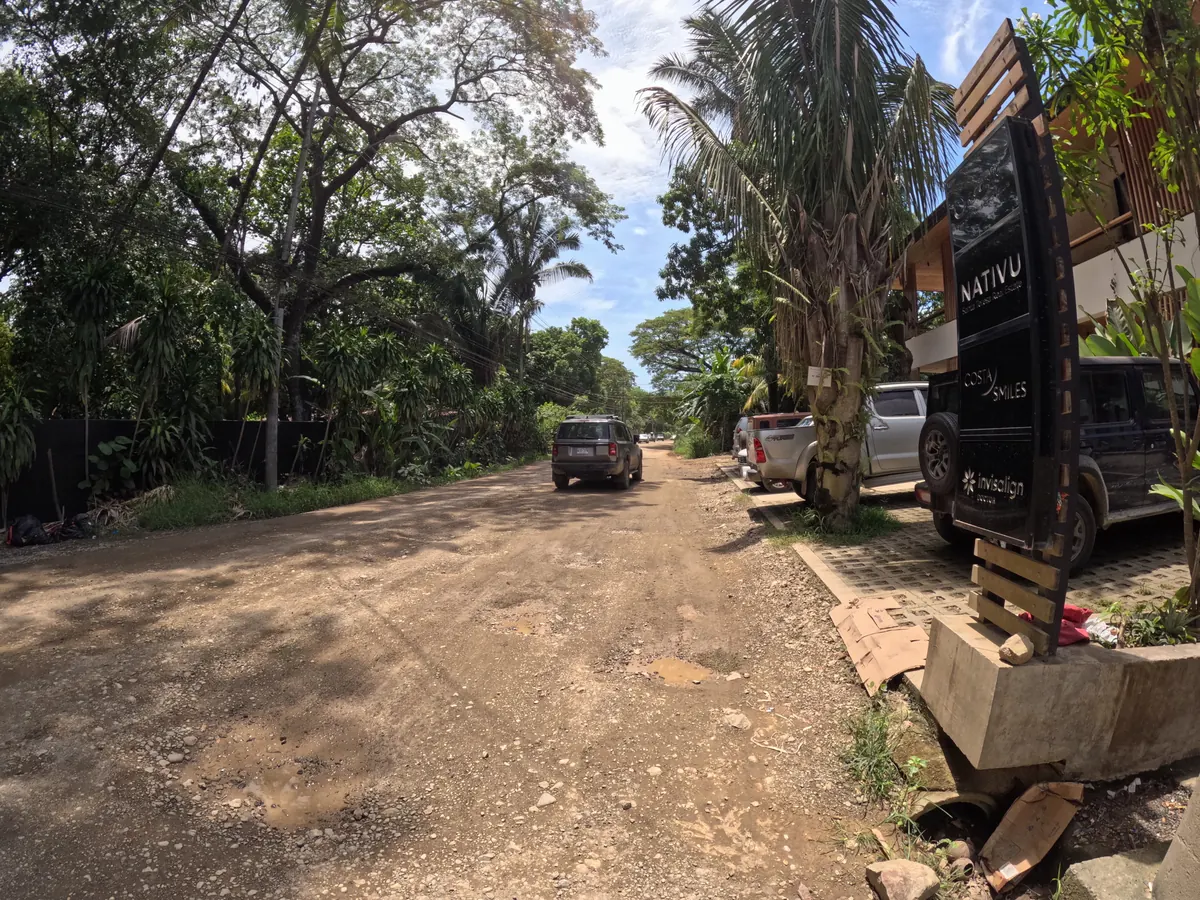
Clearance, traction, current weather, and driver confidence matter more than any label on the vehicle. Neither an ATV nor a vehicle marketed as a 4x4 makes every road or crossing safe.
Dry Season: Dust and Corrugation
Dust cuts your visibility behind passing vehicles, and corrugation shakes the vehicle and affects your steering. Slow down around pedestrians, cyclists, animals, parked vehicles, and blind corners.
An enclosed car keeps the dust out. An ATV can be easier to steer carefully around deep corrugation, but 4x4 capability, locking cargo boxes, and passenger seating don’t replace the need to slow down.
Green Season: Mud, Water, and Changing Conditions
Heavy rain can cut traction fast and soften the low sections of road. Avoid riding at night when you don’t have to, standing water, washouts, and changing surfaces are much harder to judge in the dark.
Never push through a questionable water crossing just because you have 4x4. If you’re considering a multi-day ATV rental, rates drop after three days, but let the weather forecast and safe route access guide how long you book, not just the price break.
Compare Cost Beyond the Daily Rate
Compare the total cost for your whole stay, not just the advertised daily rate. Factor in fuel, delivery, insurance, parking, transfers, the security deposit, optional protection, and possible damage charges.
Multi-day pricing changes the math since ATV rates drop after three days. An occasional ride with a taxi or shuttle can work fine, but doing that over and over across several days can end up costing more than just having your own vehicle.
Before you book, confirm the fuel policy, deposit method, deductible, damage exclusions, and what the basic liability coverage actually protects. “Helmets and basic liability insurance included” doesn’t mean every vehicle damage or rider expense is covered.
Costs That Favor an ATV
An ATV can save you money on repeated short trips to beaches, restaurants, shops, and surf spots. Free delivery and collection in key Santa Teresa-area locations also means you skip the trip to a rental desk.
Costs That Favor a Car
A car can offer better value when a few travelers split the cost, or when it replaces separate airport and regional transfers. Don’t assume a low base rate includes fuel, insurance, damage protection, or roadside assistance, ask.
Compare both options over the same dates, and use the final total you’d actually pay rather than the headline daily price.
Factor in Comfort, Luggage, and Weather Protection
A car gives you a roof, enclosed seating, air conditioning, and a real barrier from road dust. That matters on long drives, in heavy rain, or when your passengers don’t want to arrive hot, wet, and dusty.
Riding an ATV takes more physical effort on corrugated roads because you’re exposed to the vibration, sun, wind, and rain the whole time. It works best for light packing and short local distances, not as a full replacement for enclosed transport.
Very young passengers and travelers who need protected seating are usually better off in a suitable car. If you’re sensitive to heat, dust, or prolonged vibration, prioritize comfort over how easy the vehicle is to maneuver.
Passenger and Cargo Limits
Follow the provider’s stated rider, passenger, and cargo limits. Overloading changes how the vehicle steers, brakes, holds stability, and climbs hills.
Use a car when your bags don’t fit securely inside a locking cargo box or on approved racks. Never let a passenger hold loose luggage, and never strap bags anywhere they could touch the wheels, controls, or hot components.
Make Safety and Legal Requirements Part of the Decision
ATV renters need to meet the provider’s minimum age requirement and carry a valid physical driver’s licence. Read the agreement before you head out, including permitted roads, restricted use, insurance terms, and who’s responsible for damage.
Every rider should wear a helmet, and the driver needs closed-toe footwear. Stay sober, slow down on loose surfaces, and ask for local route advice and a controls walkthrough before you head out if you haven’t ridden a quad before.
Avoid beach riding unless local rules and the rental agreement specifically allow it. The U.S. Embassy’s driving guidance for Costa Rica also advises visitors to understand local road conditions and legal responsibilities.
ATVs that get serviced between rentals, with roadside help and replacement for mechanical faults, mean less disruption if something breaks down. But mechanical support doesn’t make an unsafe route, flooded crossing, or steep muddy track a good idea.
Common Mistakes to Avoid
Don’t pick a vehicle just because it looks adventurous, seems cheap, or feels familiar from home. Match it to your least experienced driver and your most demanding planned route.
Avoid night riding, unsecured bags, excessive speed, and unfamiliar steep tracks without local advice. Check the rain forecast before you leave, and change your plans if road conditions get worse.
Use This Simple Choice Framework
A mixed plan can work better than relying on just one vehicle for the whole trip. Some visitors book enclosed transport for arrival and departure, then use an ATV only for the local part of their stay.
The goal isn’t picking the most rugged-looking vehicle. It’s matching the terrain, weather exposure, carrying capacity, comfort needs, and your actual driving ability.
Example Itineraries
A couple staying in Playa Carmen for five days with light bags and frequent nearby outings will probably find an ATV practical. Both riders need to accept rain and dust exposure, wear helmets, and stay within passenger and cargo limits.
A family arriving with airport luggage and staying at a hillside villa will usually do better with a capable rental car. The same goes if the itinerary includes regional drives or passengers who need enclosed seating.
Conclusion
Neither vehicle wins outright. An ATV suits frequent short trips, light packing, and one or two riders who don’t mind the sun, dust, and rain. A rental car suits bigger groups, more luggage, and a preference for enclosed, weather-protected seating. Walk through the five-step framework above with your actual passengers, cargo, and route in mind, and the right choice tends to be obvious.
If you land on a quad, ATV rental in Santa Teresa is straightforward: the quad comes to your accommodation, we walk you through the controls, and it is collected from the same spot when your rental ends.
Frequently Asked Questions
Do You Really Need a 4x4 in Costa Rica?
Not on every route. Around Santa Teresa, extra clearance and traction help on muddy, unpaved, or steep roads, but current conditions and your own driving skill still decide whether a route makes sense.
Is It Difficult for Americans to Drive in Costa Rica?
Most American visitors drive here just fine, but surfaces, signage, traffic behavior, and rural navigation can differ a lot from home. Plan unfamiliar routes for daylight, drive slowly, and pick a vehicle suited to the actual terrain.
Which Is Better for Getting Around Santa Teresa: an ATV or a Rental Car?
An ATV is often the practical pick for short local trips because it’s compact and easier to steer on narrow, uneven roads. A rental car usually works better for longer drives, multiple passengers, heavier luggage, and weather protection.
The better choice is whichever one safely handles your passengers, cargo, routes, and expected weather. In Santa Teresa, honest planning beats automatically defaulting to either an ATV or a car.
Ready to rent an ATV in Santa Teresa?
Send your dates and we will confirm availability within minutes.
Check availability on WhatsApp